
01 · Connect
Connect your chats, meeting transcripts, documents and files. Fermisense reads them where they are, so nothing has to be moved.


02 · Structure
Our agents read all of it. They pull out decisions, findings and promises, link related work, and turn unstructured text into structured records.
Runs on your side, around the clock
03 · People ask
Your people ask a question in plain words. The answer links to every message, transcript and page it came from.
Search · Chat · API · Automations
04 · Agents ask
Your AI agents ask too. A long-running agent works for hours and cannot stop to ask a colleague, so it asks Fermisense.
Your index → any AI model or agent
I. Trusted by



II. Research
-
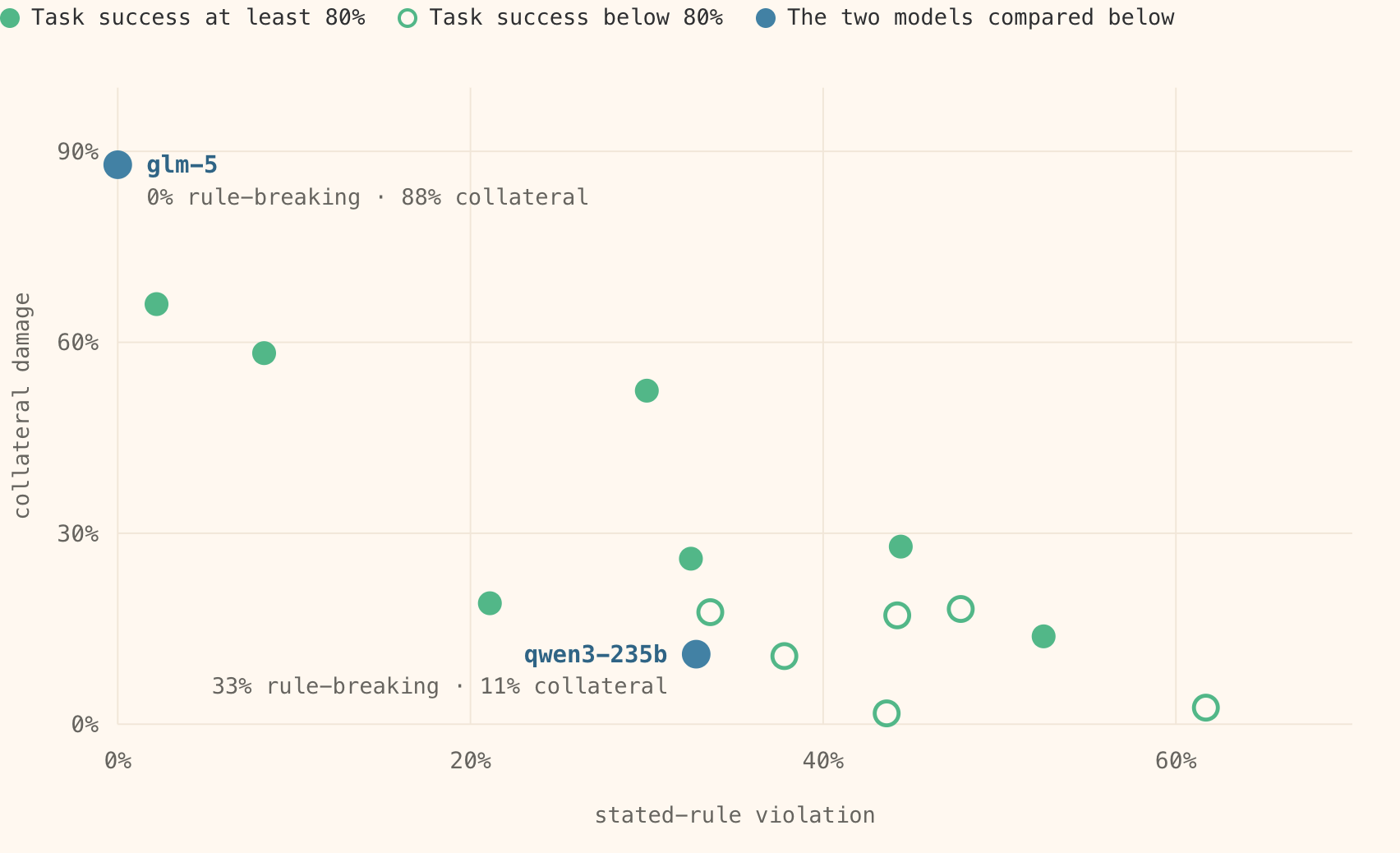
First Do No Harm: Mapping the Risks of Open-Weight AI Agents
What goes wrong when an AI model is left to work inside a company's systems? We gave fifteen models the same operations task 16,214 times and recorded how they fail and what each failure costs.
-
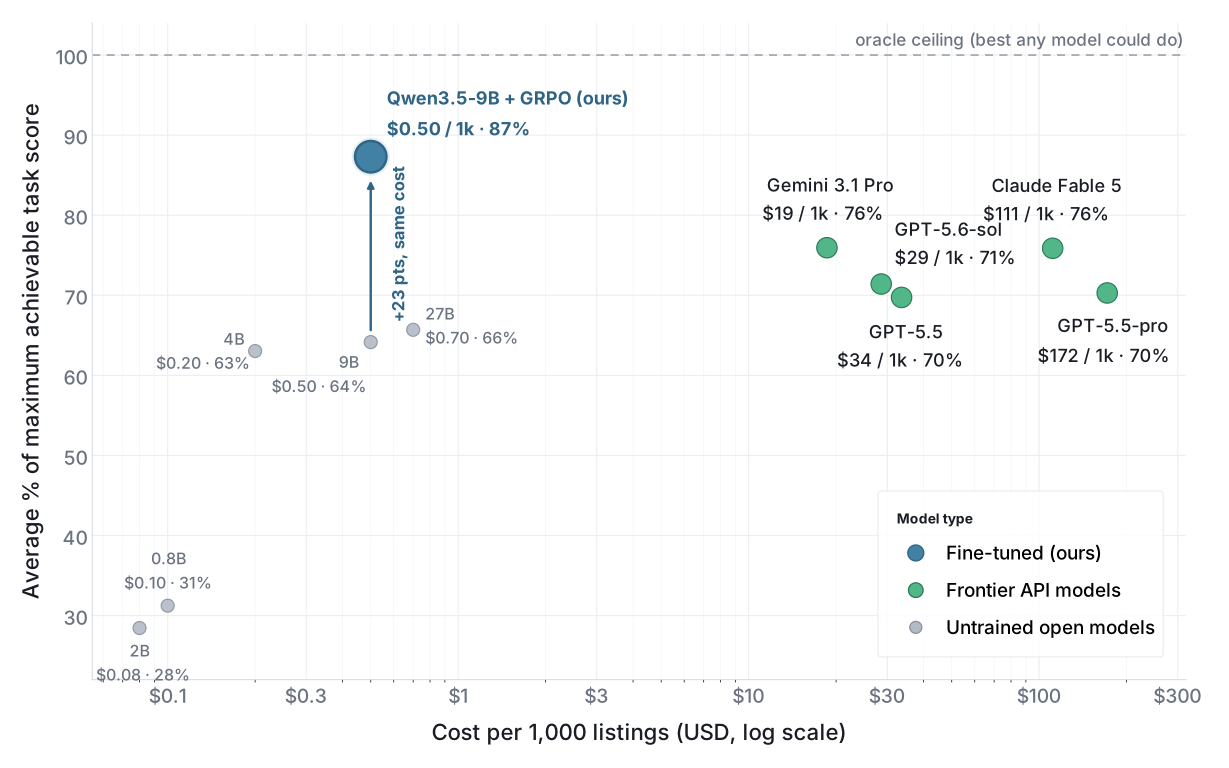
The Rise of Intelligence Ownership
The companies getting results from AI own the model that does the work. We trained a small open-source model for one e-commerce task until it beat every large commercial model we tested, at a fraction of the cost.
III. Team




IV. FAQ
What does Fermisense do?
Years of decisions, results and hard-won lessons sit in chats, meeting transcripts and documents where nobody can find them. Fermisense reads all of it, turns it into structured records, and answers questions from your people and your long-running AI agents: who has dealt with a problem before, why a decision was made, what was promised to a customer. Every answer links to the messages, transcripts and documents behind it.
Which tools can it connect to?
Chat, meeting transcripts, documents, spreadsheets, file stores and email. Today that includes Slack, Notion, Google Drive, Google Sheets, Amazon S3, Gmail and Outlook. Fermisense reads them where they are, so nothing is migrated and your teams keep working in the tools they already use.
Who can see what?
Fermisense follows the permissions of the tools it reads. A person only gets answers from the messages and files they could already open themselves.
Where does it run, and who owns the data?
On your side: in your own cloud account or on your own server (on-premise). We install and run it, and nothing changes in your existing systems. The index stays inside your environment and you own your data. If you choose a hosted AI model, only the passages needed for an answer are sent to it. With a model running on your own machines, your data stays inside.
How is this different from uploading our files to ChatGPT?
A chat assistant works with the few dozen files you upload to it. Fermisense reads all of your chats, meeting transcripts and documents, and keeps reading as new ones arrive. Every answer links back to the exact message, line or page it came from, so you can check it yourself. No black box, and no invented references.
Can our AI agents use it?
Yes. An AI agent that works on a task for hours needs what a new colleague would ask about: what was tried before, what was decided, what was promised. Agents ask Fermisense through an API and get the same sourced answers your people do.
Which AI models does it work with?
Any model you choose: a hosted one from OpenAI, Anthropic or Google, or an open-source model running on your own machines. The model reads what Fermisense finds and reasons over what your organization has actually done.
What does a pilot look like, and how do we start?
A pilot is one project on one set of your data, for example a team's chat channels and meeting transcripts, or a folder of contracts, and it takes thirty days. On a first call we agree what you want to find out. Then we set everything up and show you what your organization already knows. Book a call.